What It’s Like To Live In Mount Pleasant Near Charleston
July 9, 2026
July 9, 2026
Wondering if Mount Pleasant gives you the Charleston lifestyle without putting you right in the middle of downtown? For many buyers, that is exactly the appeal. You get coastal access, a wide range of neighborhoods, and everyday convenience, but you also need to understand the tradeoffs that come with price, traffic, and flood planning. If you are considering a move, this guide will help you picture what daily life really feels like in Mount Pleasant near Charleston. Let’s dive in.
Mount Pleasant is a large coastal town in Charleston County, just across the Cooper River from Charleston. The town reports about 95,000 residents and roughly 54 square miles of land, which gives it a very different feel from a small beach town. It functions more like a suburban-coastal hub with established neighborhoods, shopping areas, parks, marsh views, and easy connections to nearby destinations.
That scale matters when you are deciding where to live. Mount Pleasant offers more than 30 parks and recreational facilities, plus extensive marsh and waterfront conservation areas. In practical terms, you are choosing from a broad lifestyle menu rather than one single version of Lowcountry living.
One of the biggest reasons people choose Mount Pleasant is proximity to downtown Charleston. You reach downtown by crossing the Arthur Ravenel Jr. Bridge, which directly connects Charleston and Mount Pleasant. That means you can enjoy close-in access to the city while living in a more spread-out residential setting.
Still, local distance is not just about mileage. U.S. 17, also called Johnnie Dodds Boulevard, is a major north-south corridor, and I-526 connects Mount Pleasant to North Charleston and West Ashley. Your day-to-day experience often depends more on bridge access and corridor access than on how many miles a map says you are from Charleston.
Living in Mount Pleasant often feels like a balance of convenience and coastal atmosphere. You can run errands, meet friends for dinner, spend time near the water, and still keep Charleston within easy reach. That mix is a big part of why the town appeals to both local move-up buyers and out-of-state relocators.
Most daily movement is road-based, so driving is still part of life here. At the same time, the town has been expanding bike and pedestrian options in key areas, including projects near Shem Creek, Patriots Point, and the IOP Connector. If you like walking or biking in certain pockets, those improvements can make a real difference.
For many buyers, beach access is one of Mount Pleasant’s strongest lifestyle advantages. From here, you can reach Isle of Palms and Sullivan’s Island through the local connector and bridge network. That makes beach days much more realistic as part of your regular routine, not just a special plan.
The City of Isle of Palms says the island has seven miles of beaches, along with a Front Beach district that includes public restrooms, parking, restaurants, and shops. Sullivan’s Island describes itself as a 3.5-mile barrier island, and one access route runs through Mount Pleasant by way of the Ben Sawyer Bridge. Mount Pleasant also connects to the Ben Sawyer Bikeway, which adds another option for getting toward Sullivan’s Island.
CARTA also offers a seasonal Beach Reach Shuttle to Isle of Palms on weekends and holidays from Memorial Day through Labor Day. Most residents still rely on cars, but the shuttle can be a helpful seasonal bonus. If your ideal Charleston-area lifestyle includes quick access to sand and water, Mount Pleasant is well positioned.
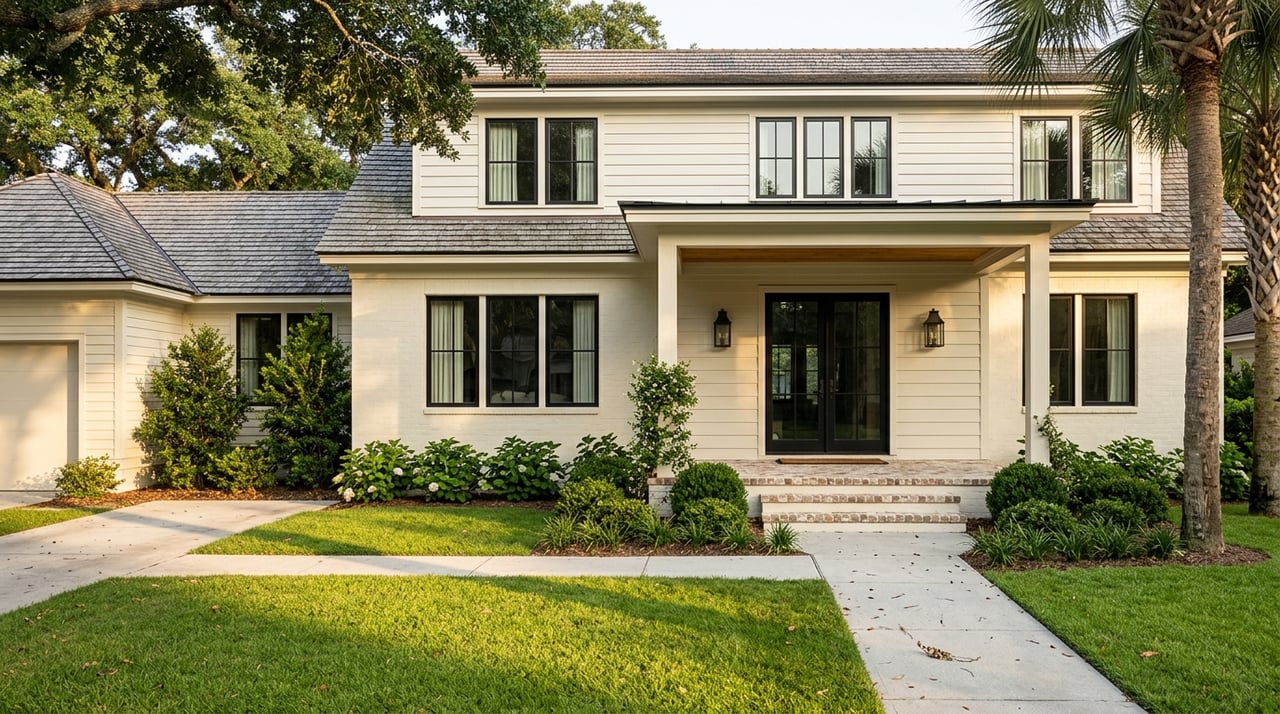
One of the most important things to know is that Mount Pleasant is not one-note. The town includes historic areas, design-focused neighborhoods, large master-planned communities, and a mix of housing types across different price points. Your experience can vary a lot depending on where you land.
Old Village is Mount Pleasant’s most historic core. The local historic district covers a 37-block area that includes the National Register district, and the town describes it as a quiet residential area with small and large houses, shade trees, front yards, and some harbor-view bluffs.
If you are drawn to history, architecture, and a strong sense of place, Old Village often stands apart. It has one of the town’s most preservation-focused settings, which gives it a distinct personality compared with newer parts of Mount Pleasant.
I’On is one of Mount Pleasant’s best-known design-controlled neighborhoods. Its design guidelines emphasize Lowcountry vernacular architecture, covered porches, traditional proportions, and a consistent streetscape.
That creates a more cohesive look and feel than you will find in many suburban communities. For buyers who value walkability, architectural consistency, and a neighborhood built around shared design standards, I’On is often part of the conversation.
If you want a larger planned community, Mount Pleasant has several established options. Carolina Park is a 1,700-acre master-planned community with traditional neighborhoods in The Village and custom and luxury homes in Riverside.
Park West is another large community with multiple neighborhood associations and amenities that include two pools, a clubhouse, six tennis courts, a sand volleyball court, a playground, a crab dock, and walking paths. Dunes West spans more than 2,500 acres and includes trails, Wando River docks, a playground, and a more private, gated feel.
These communities can appeal to buyers who want amenities, neighborhood structure, and more predictable planning. They also show how broad Mount Pleasant’s housing landscape really is.
Mount Pleasant’s market includes single-family homes, townhouses, and condos or co-ops. That matters because buyers are not shopping in one uniform category. Instead, you are looking at several distinct submarkets that can serve very different goals.
For example, one buyer may want a historic house close to the harbor feel of Old Village. Another may want a low-maintenance condo, while someone else may be focused on a larger home in a master-planned setting. Mount Pleasant can support all of those searches, but your budget and lifestyle priorities will shape where the best fit is.
Mount Pleasant makes everyday life fairly easy. Mount Pleasant Towne Centre is the town’s main retail anchor, with 500,000 square feet on 51 acres and more than 65 stores and restaurants, plus a movie theater, hotel, and event lawn.
That kind of retail concentration helps with practical day-to-day living. Grocery runs, shopping, casual dining, and weekend plans can often stay close to home. For many buyers, that convenience is part of what makes Mount Pleasant feel easy to settle into.
Shem Creek adds a different layer to the lifestyle. The town describes it as the traditional harbor and commercial hub of Mount Pleasant, and local improvements have focused on pedestrian bridges, docks, and bike lanes. This is where the waterfront setting, dining scene, and maritime identity come together in a very visible way.
Mount Pleasant is not a bargain market. Research sources place it well above the broader regional middle, with Realtor.com reporting a May 2026 median listing price of $979,250 and a median sold price of $792,000. Redfin reports a three-month median sale price of $874,477 ending in May 2026, with homes averaging about 58 days on market.
The more useful takeaway is that neighborhood selection matters a lot. Spring 2026 neighborhood medians reported by Realtor.com ranged from $684,450 in Park West and $725,000 in Dunes West to $1,172,500 in Carolina Park, $2,495,000 in I’On, and $3,100,000 in the Old Village Historic District.
That spread is a big reason broad town averages only tell part of the story. If you are moving from out of state, it helps to define not just your target price, but also your preferred setting, commute pattern, and home style before narrowing your search.
Mount Pleasant offers strong access, but convenience is not identical everywhere. Because so much movement is centered on major roads and bridge corridors, traffic can shape your routine. Buyers often think about access to downtown Charleston, I-526, and the beach routes as much as they think about the home itself.
The town’s ongoing projects along Johnnie Dodds Boulevard reflect how important these corridors are. If your schedule depends on regular downtown trips or easy regional access, location within Mount Pleasant can have a major effect on how the town feels once you live there.
In a coastal market, flood planning is part of smart home shopping. The town says flooding in Mount Pleasant can result from localized drainage issues or storm surge, and it participates in the National Flood Insurance Program and Community Rating System.
Mount Pleasant is a Class 6 CRS community, which the town says gives residents a 20% premium reduction on flood insurance. The town also notes that standard property insurance does not cover flood losses. For buyers, that means flood zones, elevation, and insurance costs should be part of your early decision-making, especially if you are comparing properties from afar.
Mount Pleasant tends to work well if you want a Charleston-area home base that blends coastal access, neighborhood variety, and practical convenience. You can live near historic character, choose a design-focused community, or settle into a larger planned neighborhood with amenities. You also stay well connected to downtown Charleston, Isle of Palms, and Sullivan’s Island.
The tradeoffs are real, though. Prices are often high, traffic can shape the feel of daily life, and flood and insurance diligence matter. If you understand those factors up front, Mount Pleasant can be one of the most versatile and appealing places to live near Charleston.
If you are weighing Mount Pleasant against other Charleston-area communities, local guidance can help you sort through the lifestyle differences that do not show up on a listing sheet. Stephanie Clark can help you compare neighborhoods, coastal tradeoffs, and home options with clarity and confidence.
Stay up to date on the latest real estate trends.
Work With Stephanie